Saturday, 10 March 2018

Top 15 Easiest Indoor Plants-


Don't let anyone fool you — growing indoor plants is easy, and just as fun as having an outdoor garden.
Indoor plants not only help clean the environment around them, but they act as a quick decorating tool. We found 15 indoor house plants that anyone can keep alive and thriving. If you've got kids or pets, do note before you buy: some may be toxic.

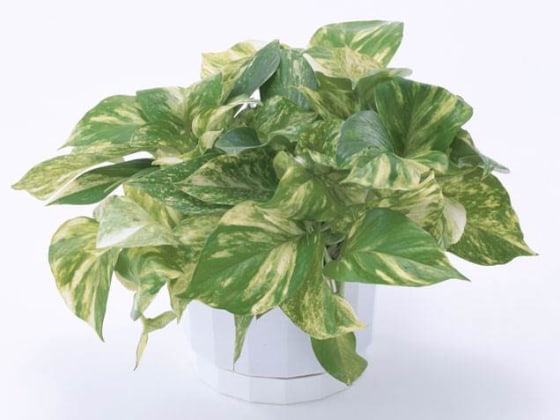
POTHOS
  Getty Images
WHY YOU WANT IT: First of all, this indoor plant has an air-purifying quality that can absorb and strip toxins like formaldehyde from materials in the home like carpet. How neat is that? It has trailing stems and works well in a hanging basket or as a climbing plant with some training onto a trellis or whatever object you like that will support it.
HOW TO CARE FOR IT: This indoor house plant can produce stems that trail 8 feet or longer, so just cut them back when they get too long and your plant will continue to look full and healthy. It can thrive in an array of lighting conditions, but low light may diminish the leaves' variegation. Allow soil to dry somewhat between watering. Pothos does well in an array of normal room temperatures.
WHERE TO rent IT: www.flowercorp.in

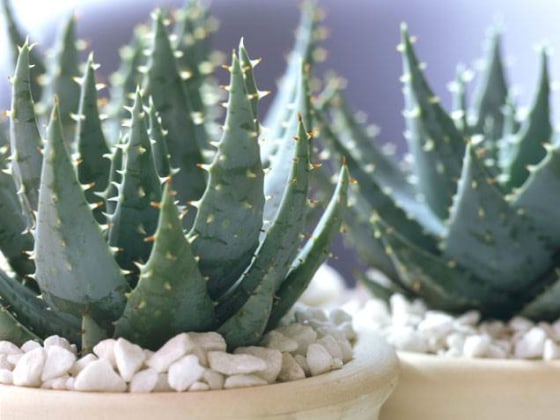
ALOE
  Jeremy Hopley/Dorling Kindersley/Getty Images
WHY YOU WANT IT: This succulent with long pointed leaves has medicinal properties you probably well know from product labels. It can grow three feet high for big impact indoors. Smaller varieties like the popular aloe vera, work great in small, sunny indoor spaces.
HOW TO CARE FOR IT: Aloe likes room temperatures around 70 degrees and a lot of sunlight. As you might expect for a succulent, this indoor house plant prefers dry soil, so avoid frequent watering for the best result.
WHERE TO RENT IT: WWW.FLOWERCORP.IN

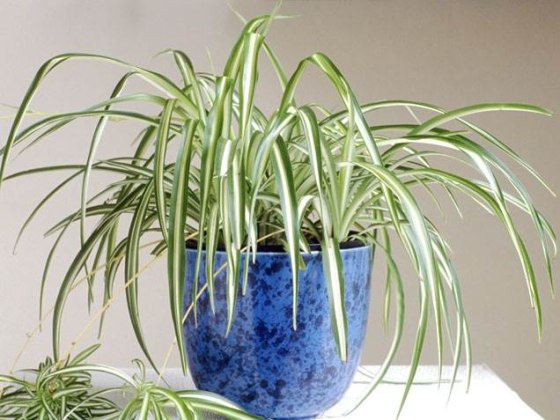
SPIDER PLANT
  Lynne Brotchie/Garden Picture Library/Getty Images
WHY YOU WANT IT: These unusual-looking indoor plants add visual interest to a room, and they haven't fallen out of fashion after years of popularity in the home. Spider plants come in a number of varieties, and work well as hanging plants.
HOW TO CARE FOR IT: Spider plants do well with evenly moist soil and bright or medium lighting conditions. Room temperatures of 60 to 75 degrees keep them thriving.
WHERE TO RENT IT: WWW.FLOWERCORP.IN

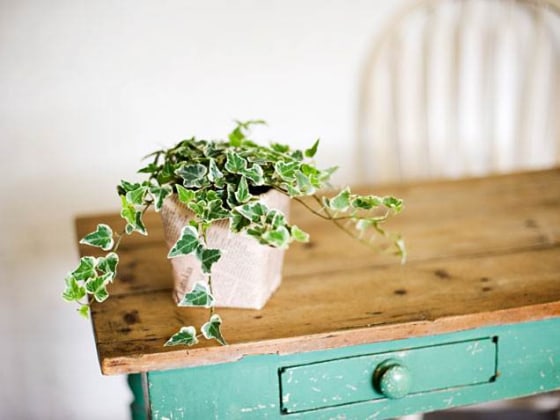
ENGLISH IVY
  Getty Images
WHY YOU WANT IT: There's a real timeless elegance to ivy, and it trails down furniture for a pretty effect. Plus, it's super easy to start a new plant for yourself or a friend by cutting a section of the stem. Instant hostess gift! (OK, not completely instant. It takes about two weeks or so.)
HOW TO CARE FOR IT: English Ivy likes moist soil and cooler room temperature conditions, ranging from the mid-50s to about 70.
WHERE TO RENT IT: WWW.FLOWERCORP.IN

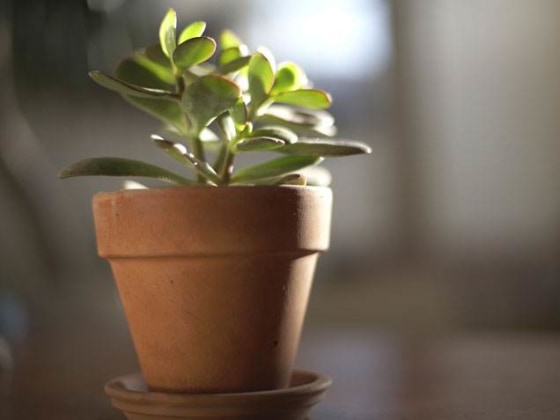
JADE PLANT
  Brick House Pictures/Iconica/Getty Images
WHY YOU WANT IT: For those who love the look of a succulent — not to mention, the ease of care — a jade plant offers thick, lush leaves and visually interesting branches. It grows slowly and has the potential to live from your kids' birth until their high school graduations — at least! It also looks great in a pretty pot when paired with other succulent varieties.
HOW TO CARE FOR IT: Jade plant does not require a lot of water, so keep soil somewhat dry. It prefers bright light and ordinary room temperatures.
WHERE TO RENT IT: WWW.FLOWERCORP.IN

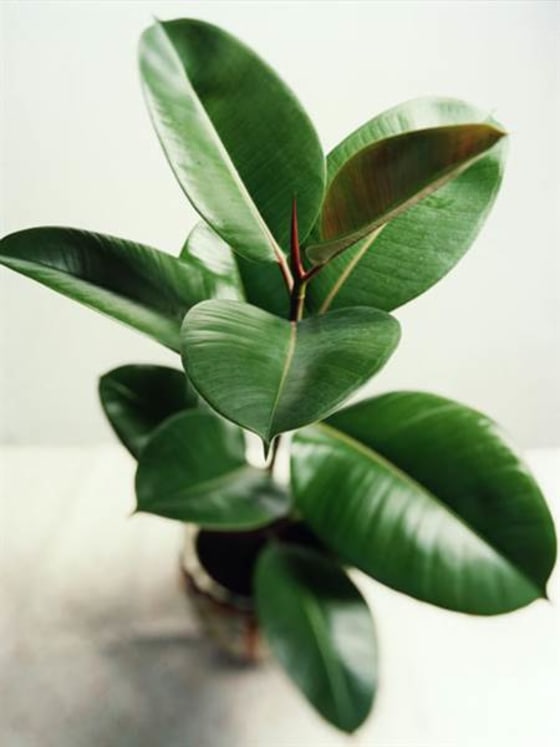
RUBBER TREE
  Alexander Walter/Stone/Getty Images
WHY YOU WANT IT: This easy-to-grow indoor house plant will grow into an 8-foot-tall tree for a major pop of greenery in a room. If you prefer a smaller plant, just make your rubber tree into a shrub shape by pruning any long stems. The dark green leaves have an attractive shine to them.
HOW TO CARE FOR IT: Allow the surface of the rubber tree's soil to dry out in between watering. It thrives in lighting conditions from medium to bright, and a range of room temperatures between about 60 and 80.
WHERE TO RENT IT: WWW.FLOWERCORP.IN

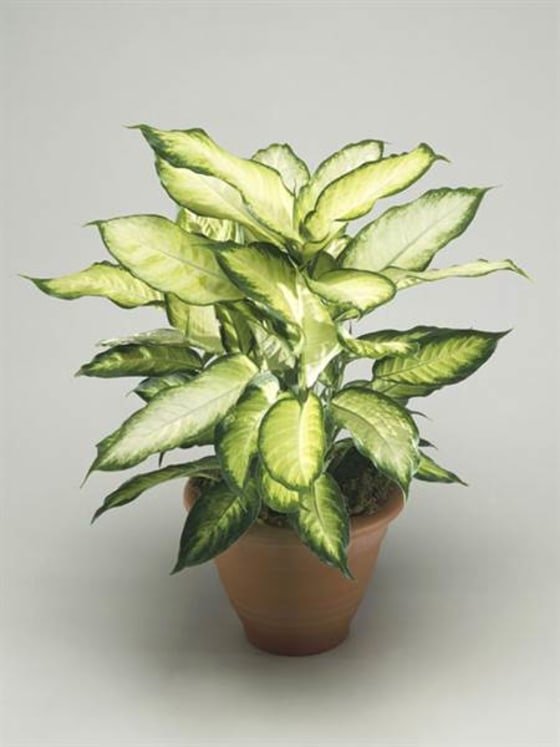
DIFFENBACHIA
  De Agostini Picture Library/Getty Images
WHY YOU WANT IT: The leaves of this pretty indoor plant can grow up to a foot long, and provide a tropical-looking accent to home decor. The whole plant can grow six feet high for a cheery room focal point.
HOW TO CARE FOR IT: Diffenbachia thrives in normal room temperature not colder than the mid-60s. Keep the soil evenly moist, and provide medium or low lighting conditions for the best result.
WHERE TO RENT IT: WWW.FLOWERCORP.IN

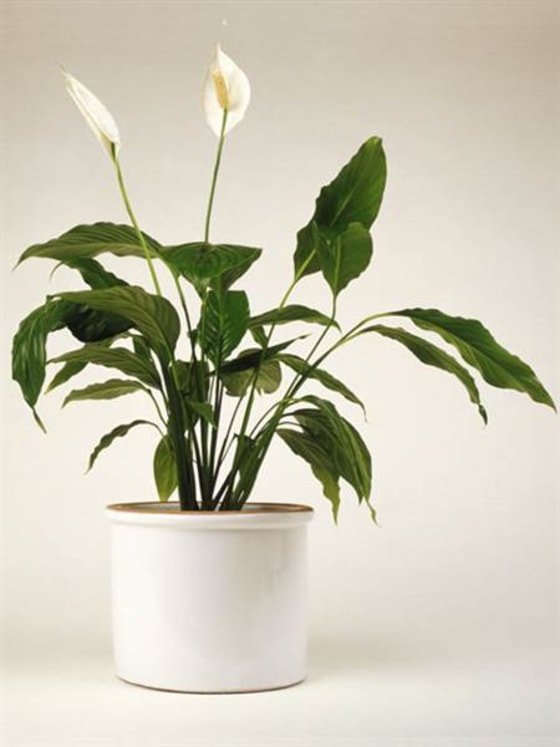
PEACE LILY
  Tom Dobbie/Dorling Kindersley/Getty Images
WHY YOU WANT IT: Surely you've seen this indoor house plant in many homes, since it has such pretty, curving white blooms and dark leaves — and it's super easy to grow.
HOW TO CARE FOR IT: This house plant favors low humidity and also low light, making it great for rooms with few windows. It prefers moist soil throughout the pot and tolerates standard temperatures ranging to about 85 degrees.
WHERE TO RENT IT: WWW.FLOWERCORP.IN

SNAKE PLANT
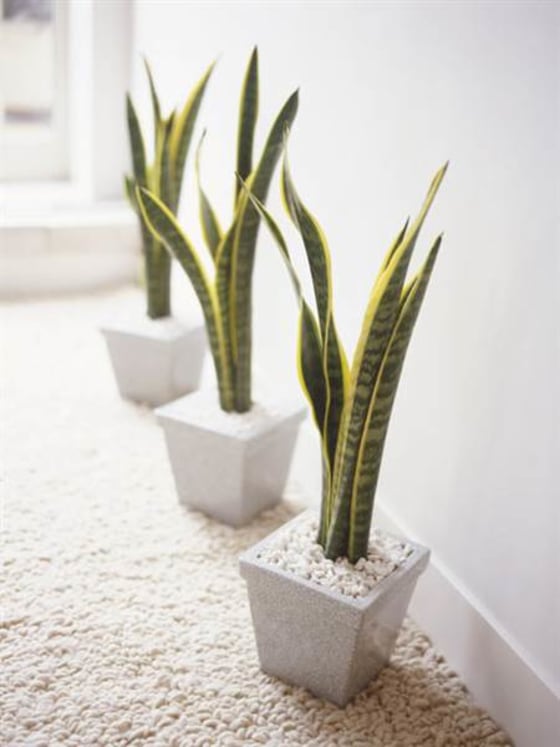
  Verity Welstead/Dorling Kindersley/Getty Images
WHY YOU WANT IT: It doesn't get much easier than this indoor house plant—also sometimes known as mother-in-law's tongue! It has variegated leaves that grow upright, and some varieties' leaves have yellow or white edges. It has small white flowers that bloom only rarely.
HOW TO CARE FOR IT: This indoor plant grows well in a whole range of lighting conditions. The air should be somewhat dry, as should the soil. Any normal room temperature should suit it just fine.
WHERE TO RENT IT: WWW.FLOWERCORP.IN

FICUS
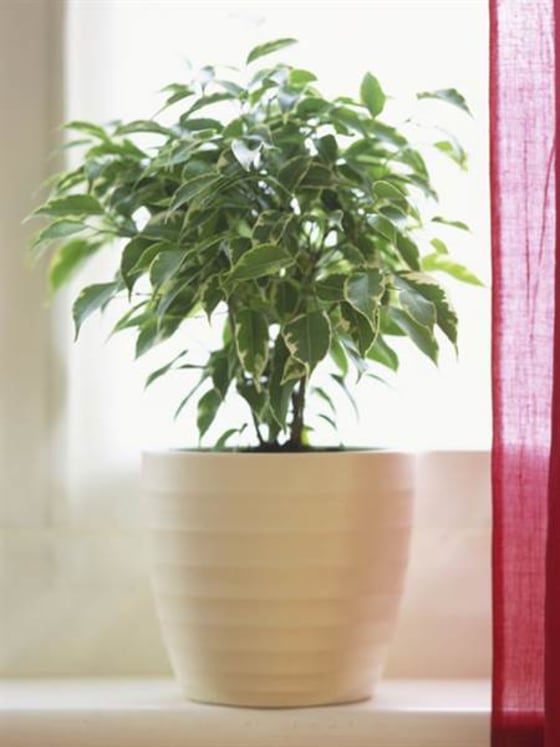
  Sian Irvine/Dorling Kindersley/Getty Images
WHY YOU WANT IT: This indoor tree has shiny leaves to add cheer to any indoor space. Its stems can be braided for a tidy topiary effect we love.
HOW TO CARE FOR IT: This tree likes full sun, or at least bright filtered light. Most varieties (there are about 800!) prefer several days of dry soil in between thorough watering. Room temperatures between 65 to 75 degrees work best.
WHERE TO RENT IT: WWW.FLOWERCORP.IN

HEART-LEAF PHILODENDRON
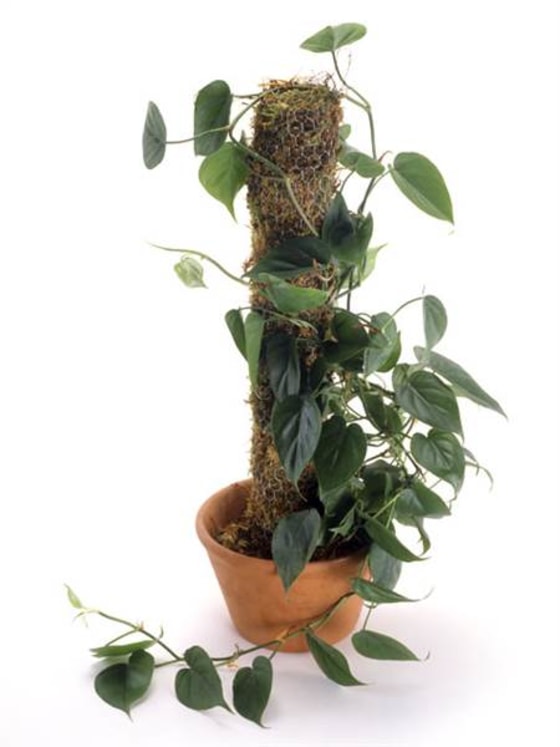
  Dave King/Dorling Kindersley/Getty Images
WHY YOU WANT IT: This is a trailing indoor house plant that loves to make its way down from mantles or bookshelves. Its perky, dark green leaves come to a heart shape where they meet the stems.
HOW TO CARE FOR IT: This may be the quintessentially easy indoor plant. It thrives in a range of lighting conditions, from low to sunny, preferring indirect light. It does well anywhere close to standard room temperature. Let the surface of the soil dry between watering; it should not be constantly wet.
WHERE TO RENT IT: WWW.FLOWERCORP.IN

PEPEROMIA
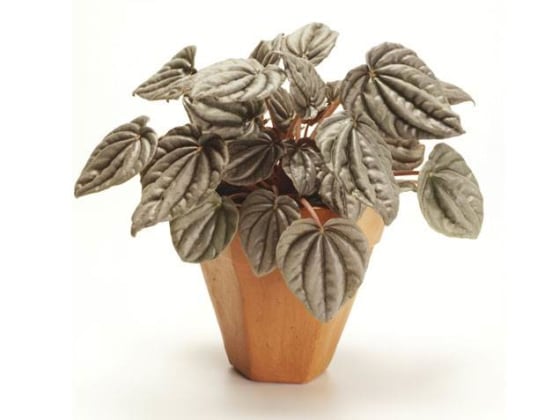
  Matthew Ward/Dorling Kindersley/Getty Images
WHY YOU WANT IT: A whole array of small indoor house plants with textured, shiny, often colorful leaves fit into this category. Some popular and attractive — and easy-to-manage — indoor varieties include watermelon, red-edge and ripple peperomias.
HOW TO CARE FOR IT: Peperomias favor indoor temps from about 60 to 75 degrees and medium or low lighting conditions. The surface of the soil should dry out between watering.
WHERE TO RENT IT: WWW.FLOWERCORP.IN

SHAMROCK PLANT
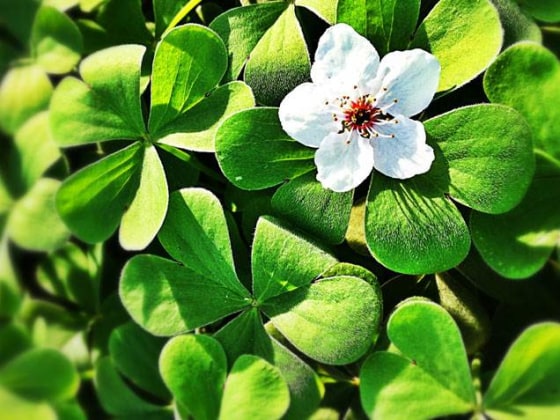
  Flickr/Life Through My Lens/Getty Images
WHY YOU WANT IT: This jaunty indoor house plant has bright green leaves that look like shamrocks, plus sweet white flowers on tall stems.
HOW TO CARE FOR IT: This house plant loves bright but indirect or filtered light. Allow the soil to dry out a bit between watering thoroughly about once per week.
WHERE TO RENT IT: WWW.FLOWERCORP.IN

FIDDLE-LEAF FIG
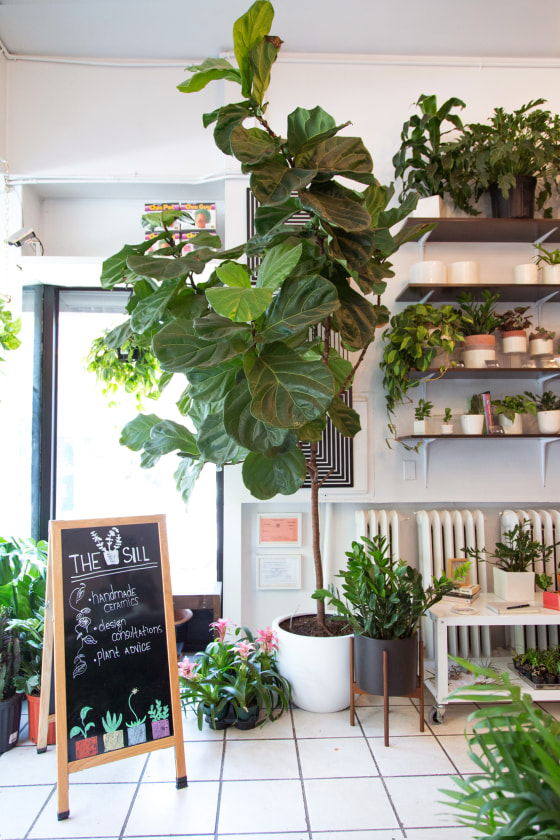
  Samantha Okazaki / TODAY
WHY YOU WANT IT: This lovely indoor tree (actually a species of ficus) has large, dark-green leaves that seem to form the vague outline of a fiddle or violin — that's how it gets its name.
HOW TO CARE FOR IT: This indoor plant likes room temperatures between about 65 and 75 degrees, and exposure to bright to medium light. The surface of the soil should dry out slightly between watering. If it starts to look a bit pale, try moving it to somewhere less bright.
WHERE TO RENT IT: WWW.FLOWERCORP.IN

ARECA PALM
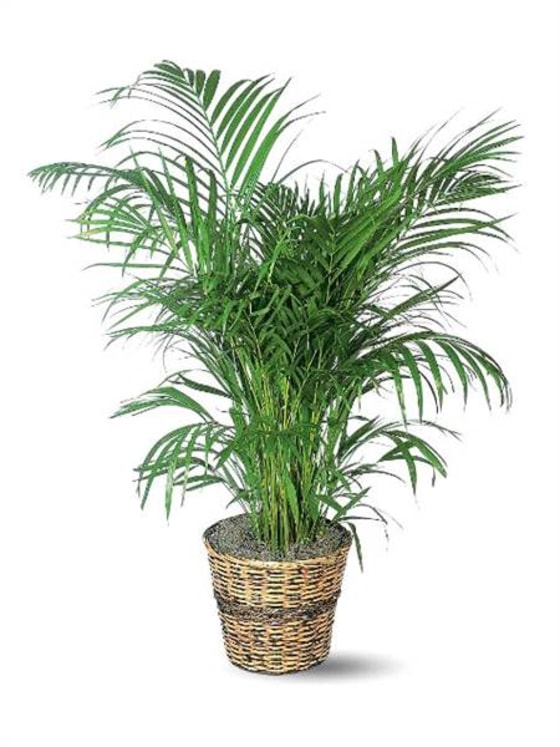
  Telefora.Com
WHY YOU WANT IT: This pretty indoor house palm is a great inspiration if you're dreaming of tropical climates— or just trying to conjure the look in your home decor. It can grow to about 7 feet for a dramatic touch in a room, but a smaller pot will keep it contained if you'd like it to stay smaller
HOW TO CARE FOR IT: The areca palm does well in indirect light. Keep the soil somewhat dry, only watering on alternate weeks or so.
WHERE TO RENT IT: WWW.FLOWERCORP.IN

Monday, 12 June 2017

5 REASONS TO HAVE A PLANT AT YOUR DESK-RESERCHED

1. Improve indoor air quality

In addition to bringing a friendly touch to your work space, growing live plants in the office can help clean the air and even improve your health, according to a NASA Study.
In 1973, NASA scientists identified 107 volatile organic compounds (VOCs) in the air inside the Skylab space station. Occupants often suffered from burning eyes and respiratory difficulties, later learned to be two of the most common symptoms of Sick Building Syndrome.
Meanwhile, B.C. “Bill” Wolverton, an environmental scientist working with the U.S. military, discovered that swamp plants actually eliminated Agent Orange from water samples. Expanding on this idea, Wolverton tested out the use of houseplants as a means of improving indoor air quality and discovered growing plants indoors helps eliminate VOCs from the air.
Research also suggests that plants play a psychological role in welfare, and that people actually recover from illness faster in the presence of plants, the study said. Check out these 15 houseplants that improve indoor air quality from  Clean Air Gardening, and boost workplace wellness the eco way.

2. Reduce stress

In her dissertation at Surrey University in the U.K., master’s environmental psychology student Helen Russell set out to find scientific proof for notions already widely perceived – namely that plants in the office can reduce stress.
In the study, Russell asked participants to take a difficult test in a room filled with plants, and compared their skin conductivity, heart rate and blood pressure with people who completed the same test without plants.
Of the three types of measurements made, skin conductivity showed the greatest difference between the group exposed to office plants and those who took the test plant-free. Overall, Russell’s findings showed that plants eased stress for participants by at least this metric, and that participants recovered from stress more quickly in a plant-heavy environment.

3. Increase productivity

Tending for that potted plant not only helps you chill out during a hectic work day, but can also increase focus and productivity – allowing you to accomplish more with less stress.
In a study published in the “Journal of Environmental Horticulture,” researchers from Washington State University reported that live interior plants helped workers complete tasks with more focus and efficiency.
The study asked workers to complete a simple task on a computer in a room with plants and compared their performance with workers who completed the same task in the same room without plants.
Findings showed that productivity increased by 12 percent in the presence of plants. Additionally, people tested in the room with plants reported feeling about 10 percent more attentive after the task than those tested without plants.

4. Make rooms more comfortable

The recommended humidity range for human health and comfort is between 30 and 60 percent, but many offices fall short of these figures, especially in the summer and winter months. Low interior humidity can lead to increased fatigue, respiratory discomfort and an overall drop in workplace well-being, but the same Washington State University study that touted the benefits of plants for productivity suggests a touch of green can help fix this problem as well.
Findings show that when plants were added to a room, the relative humidity rose significantly, but not excessively. In one case, relative humidity without plants averaged 25 percent, and with plants it averaged 30 percent – bringing the room into the ideal comfort range.

5. Keep the environment on your mind

Keeping a plant at your desk has loads of health and wellness benefits. But don’t forget about the intangible ways a workplace plant can boost your green lifestyle.
In addition to improving your office environment, tending a house plant every day at work reminds you of how important it is to care for the Earth and why eco-friendly living means so much to you.
Each time you water your plant, let your mind wander to what you love about the environment, and channel these warm-fuzzy feelings to add a few eco-conscious habits to your workplace routine, such as reaching for reusable products over disposables, reducing paper use and conserving energy.
Ref -Mary Mazzoni-Research
   
                                 Benefits Of Plants At Office.


Friday, 26 May 2017

The Art of Arranging Flowers in a Vase

History of Flower Arrangement in a vase

It is believed that the Chinese were the first ones to put cut flowers in water container and it was in Japan that flower arrangement became an art. Japanese people take flower arrangement in a vase very seriously and consider it as a subject that needs to be studied and practiced. Later in Europe people started putting flowers in vases and large and beautiful vases made of precious metals and stones were crafted. And thus with time the art of flower arrangement in vase spread all over the globe and is considered a thing of beauty now.flowers vase

How to arrange Flowers in vase

Nonetheless, you always have the option to cut the flowers to the length you require before starting the flower arrangement.

Put the greenery first to provide a backdrop to the flower arrangement, you can use ferns or leather leaf as they really look nice.Vase

Now place the flower vase in the middle of the table and start placing your flowers make sure that you can go all around the vase as then you can judge how it looks from all sides do justice to the arrangement. Another important thing to remember is that a flower arrangement in a vase always looks better when you have a focal point in the arrangement like a few brightly coloured or large dominant flowers. Place all the flowers individually never bunch them up, every flower can be given a different angle to give the arrangement a balanced feel.

If you have smaller flowers they can be added lastly and finally you can add some foliage of your choice to fill up the small gaps left.

Ref-Click

Different Methods Available to Preserve Flowers

Getting a bouquet of flowers as a gift is a great thing, where such presents are particularly offered on special occasions. The recipients, like to safeguard such gifts and preserve your memories for a considerable time. Many different ways are available that help people conserve flowers, out of which you can find the one that is a good match for the type of flowers you are having. However, some of the common methods like drying and pressing the flowers are discussed below to help you preserve your special memories.

Drying the Flowers


There are two ways available that are meant for drying flowers and keeping them safe for a long time.

An easy way to get your flowers, dried is to hang them, for which the flowers need to be tied up in an upside down manner. If you are having a large bouquet, you must divide all the flowers into small bunches and then hang them to dry, so as to make the process fast and consistent.
The second method that you can use for the purpose is to air dry the bunch of flowers. Place all the flowers in a plain layer and allow them to dry out, where the window screen is a good option as it helps the air to get circulated around them.
The process of drying could take around a week’s time, while both the ways discussed above are quite popular and effective for the preservation of flowers and the same can be kept for later use

Pressing Flowers


Flower presses are readily available in the market that can be purchased for the purpose. They work similar to a vice and compress different layers of the flowers together for effective results. Apart from a press, you can use a book and keep the flower in between. Before using a book, you must layer the flower to prevent it from being damaged after getting pressed, for which the petals can be placed in a waxed paper or parchment paper. This is considered as a great method to safeguard flowers, while the pressed ones can be used in scrapbooks or any other thing.

Make a Potpourri


Apart from pressing or drying, another method popular among people is by making a potpourri out of the flowers. To proceed with this method, you need to follow the drying or the pressing procedure during which you need to be careful about the petals. If any of the petals gets damaged, the flower would become useless, while you need to add spices, herbs and essential oils to the dried flora. This addition will make the flowers deliver a great smell, after which, you can put them at any place to get the essence and fragrance spread to the area.


Preservation of the flowers is a common procedure followed around the world, for which you can follow one of the few different methods as discussed above. Safeguarding flowers help people keep them safe for a time period, much longer than they would actually last and hence, can be saved as memories of special occasions.


Ref-Click

How to Preserve and Arrange the Dried Flowers

The dried flower preservations-
The dried flowers can be preserved at home for the next season of the year. There are very special bouquet for arranging and preserving the dried flowers for a long period of time until the very nest seasons of the year. Almost all the flower types can be kept preserved in the dried form. These dried flowers can be kept in various beautiful flower arrangements like bunches, bouquets and vases. The dried flowers can be best preserved in all these types of floral arrangements.
The needed things
The following things are needed to preserve the dried flowers:

Dried flowers
Jar
Hairspray

The dried flowers are kept in jars in numerous floral arrangements. Hairsprays are effectively used to put the flower bunches together in correct combinations in the flower arrangements. These preserved dried flowers look equally bright and beautiful as the freshly plucked flowers except the smell. Only the scent is not present in the dry flower arrangements. The dried flowers are preserved by many reputed florists round the world. These are also available online on the website of these florist companies in the “dried flower” category. The prices of these flowers are also quite reasonable with longer durability.

INSTRUCTIONS-

First step-
It must be ensured at first that all the flowers are totally dried. The best and the fastest way to dry the flowers is to hang the flowers upside and down in a dry and warm dark room. Then, the flower is to be bundled by the stem and making them secure with the help of a rubber band. After that, hang them in upside and down fashion by hook in order to dry them completely. Then, the flowers are to be left untouched until they become drier. This process may take a longer time starting from 2 weeks to 1 month. It should be ensured that the place selected to dry the flowers is a place with lower humidity level. Atmosphere with high humidity can hinder the drying process of the flowers.

Second step-
In this step, the dried flowers should be sprayed all over by hairspray. This is to be done to prevent the flowers from falling here and there apart in the nick of time. The flower arranger must also be careful not to spray too much Hairspray over the flowers. The moisture content present in the hairspray chemical may have a very negative effect in the drying and arranging process of the flowers. A light coat of hairspray must be applied on the flowers to bind them together.

Third step-
The person has to decide the exact application of the dried flower whether he wants to keep them at home for the decoration purposes. If the flowers are to be used for decoration purposes, then a clear glass jar must be arranged first. The dried flowers are to be placed carefully inside the glass jar. The glass jar should be provided with a lid that can be closed and keeping the elements out. The jar should be placed in an area which is away from direct rays of the sun.

Fourth step-
In this step the dried flowers must be wrapped up in a newspaper and to be placed in a shoe box for a while. The shoe box should be placed in a dry and warm place in the house. Care must be taken not to crush the newspaper since the dry flowers are very fragile. The newspapers must be kept as flat as possible. All these things must be done utmost carefully without hurting the fragile dried flowers in some way.
Freezing the dry flowers

The dry flowers can be kept well for a longer period of time by freezing them with the help of silica gel and keeping in freezing equipment. It usually takes 12 hours for the completion of the entire process. The dried flowers usually freeze at 5 degree Farenheit.

All the process and the steps mentioned above are best suited to preserve the flowers in the best dried condition for a very long period of time. Selling of the dry flowers is a very big business in the florist industry for past many years.


Source-Click